SCHOOL-DAY GUIDE
How to choose a school bag your child can use every day
The best school bag is not simply the biggest or brightest one. It should suit the child, carry the real school-day essentials and remain comfortable from the first lesson to the journey home.
Updated 21 September 2026 · Evorau, Ota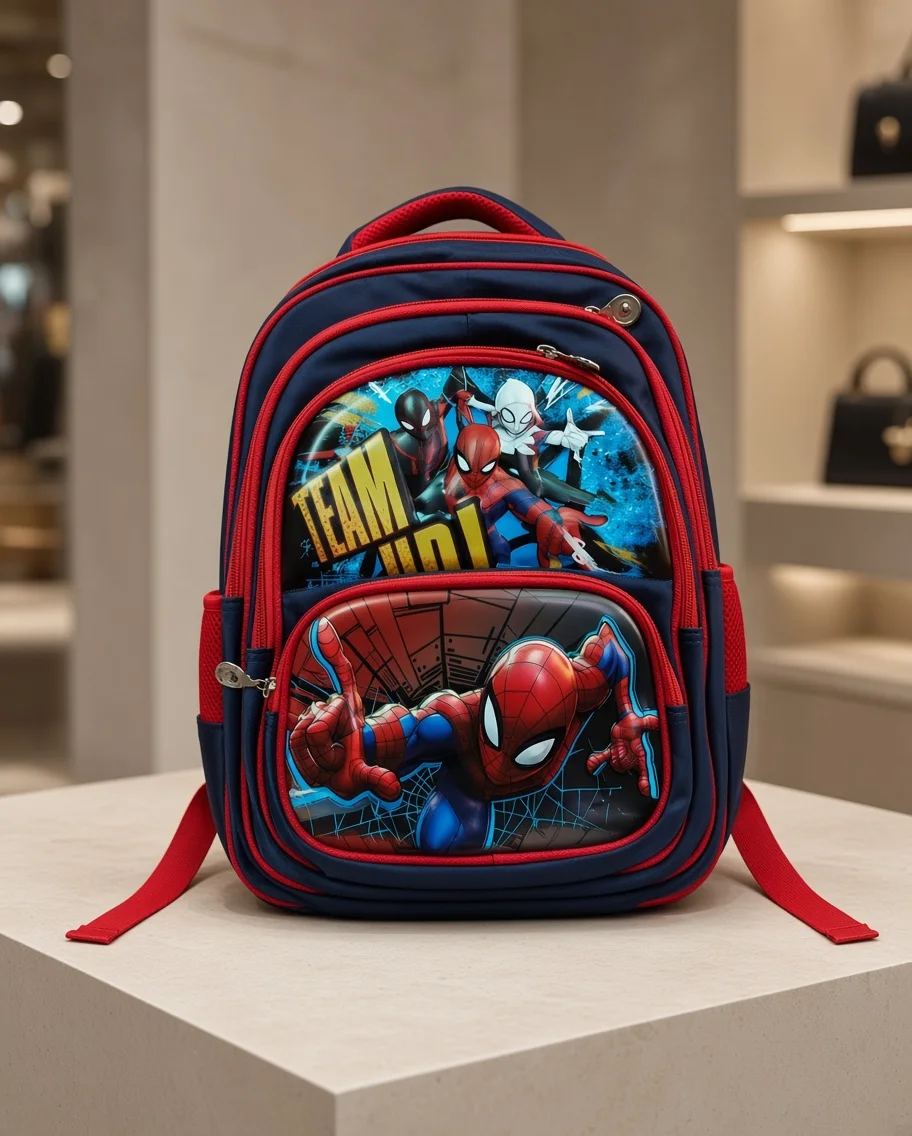
Start with the child, not the bag
Choose a size that looks balanced on the child’s back. A bag that is too wide or hangs far below the waist can feel awkward once books and a lunch box are added. Let the child try the straps and practise opening the zips before you decide.
Favourite colours and characters matter too. A child is more likely to care for a bag they genuinely enjoy carrying, as long as comfort and construction come first.
Check the straps, back and handle
Look for two adjustable shoulder straps so the weight can be shared across both shoulders. The straps should adjust easily and sit flat rather than cutting into the shoulders. A useful top handle should feel firmly attached for the moments when the bag is carried by hand.
Ask your child to wear the bag with a few typical items inside. This gives a more honest picture than testing an empty bag.
Match the compartments to a real school day
Think through what goes into the bag: exercise books, textbooks, stationery, water and lunch. Separate sections can keep food and bottles away from books, while a smaller pocket helps prevent keys or pencils from disappearing at the bottom.
More pockets are not automatically better. Choose a layout the child can remember and use without help.
Inspect the parts that work hardest
Open and close every zip. Check the stitching around the straps, handle and base, because these areas take the most pressure. Look at the fabric and lining, and ask how easily they can be wiped clean after a dusty or rainy school run.
At Evorau, you can inspect the current school bag designs in person and ask the team to confirm availability before travelling.